Comparing Paint Protection Film and Car Coating: Which is Right for You?
Understanding Paint Protection Film (PPF)
Paint Protection Film (PPF) is a transparent layer applied to a vehicle's exterior surfaces. Designed to shield the paint from scratches, chips, and other environmental damages, PPF is particularly popular among car enthusiasts who want to preserve the pristine look of their vehicles. This film is typically made from thermoplastic urethane and is known for its self-healing properties, which allow minor scratches to disappear over time.
One of the key benefits of PPF is its durability. It provides a robust barrier against road debris, bird droppings, and even minor abrasions. Additionally, PPF can enhance the aesthetic appeal of your car by maintaining its original shine and gloss.

Exploring Car Coating Options
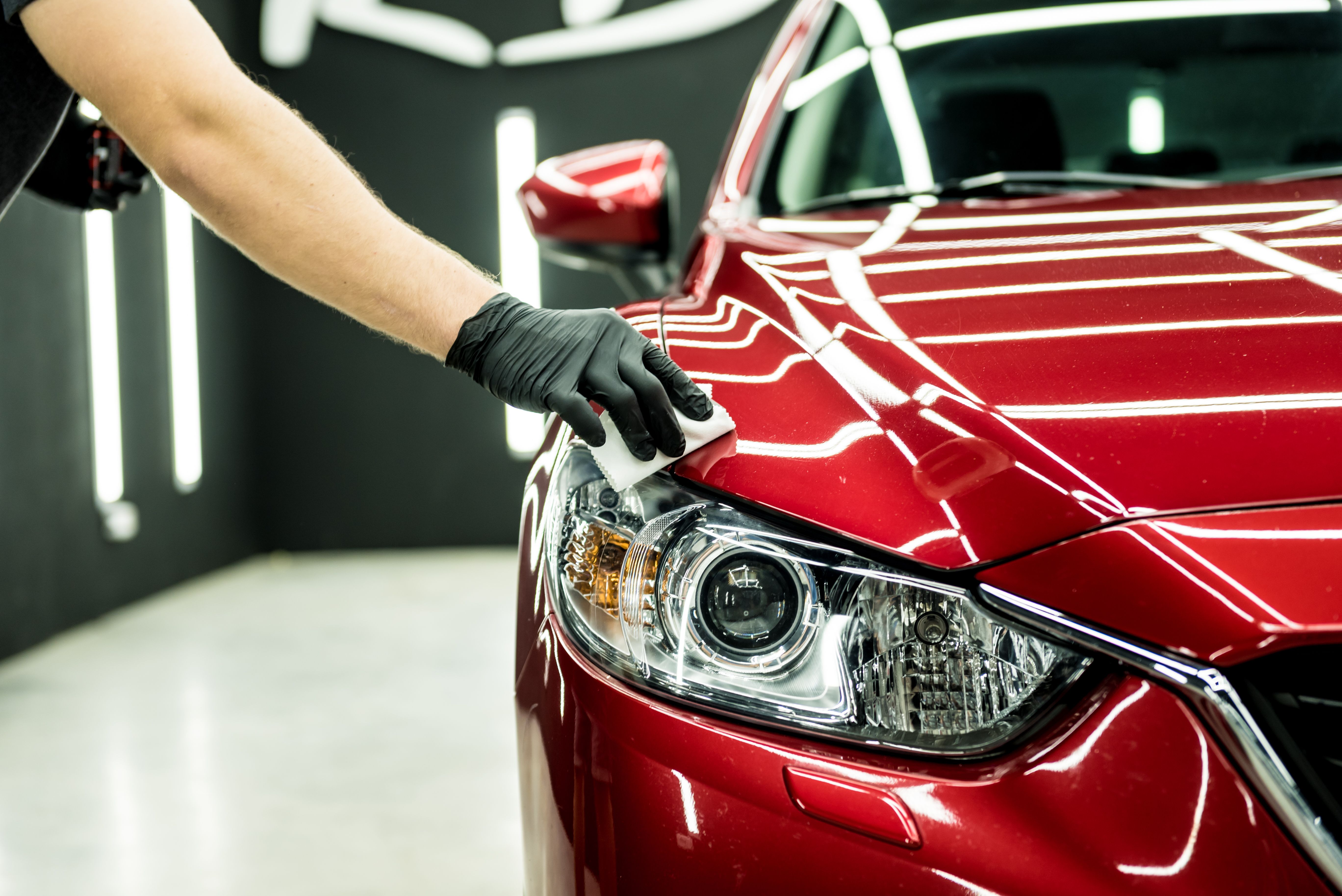
Car coatings, such as ceramic or graphene coatings, offer a different type of protection. These coatings form a semi-permanent bond with the vehicle's paint, creating a hydrophobic layer that repels water, dirt, and contaminants. This not only keeps the car cleaner for longer but also makes washing and maintenance easier.
Unlike PPF, car coatings do not add a physical layer to the paint. Instead, they enhance the paint's properties by providing UV protection, chemical resistance, and an improved glossy finish. This can significantly reduce the risk of oxidation and fading over time.
Comparing Protection Levels
When comparing PPF and car coatings, it's essential to consider the level of protection each provides. PPF is generally more effective against physical damage, such as stone chips and scratches, due to its thickness and composition. Conversely, car coatings excel in protecting against environmental factors like UV rays and chemical stains.
For those who frequently drive on highways or off-road, the robust nature of PPF may be more suitable. However, if you are more concerned about maintaining a glossy finish and ease of maintenance, a ceramic or graphene coating might be the better choice.

Application and Maintenance
The application process for PPF is more complex and typically requires professional installation. It involves precise cutting and fitting to ensure a seamless finish. On the other hand, car coatings can be applied by both professionals and skilled DIY enthusiasts, although professional application often yields better results.
Maintenance for both options varies. PPF requires occasional inspections to ensure no edges lift or degrade, while car coatings need regular washing and potential reapplication every few years to maintain their effectiveness.
Cost Considerations
Cost is another critical factor when deciding between PPF and car coatings. Generally, PPF tends to be more expensive due to the material cost and installation complexity. Car coatings, while also an investment, are usually more affordable and offer a good balance between cost and benefits.
It's important to weigh these costs against the level of protection and aesthetic value you desire for your vehicle. Consider your budget and the specific conditions your car will face daily.
Making the Right Choice
Ultimately, the decision between Paint Protection Film and car coatings depends on your specific needs and priorities. If you seek maximum protection against physical damage, PPF is the superior choice. However, if you're more inclined towards a low-maintenance solution that enhances the car's shine, a car coating might be more suitable.
Both options have their unique advantages, and understanding what each offers can help you make an informed decision. Assess your driving habits, environmental exposure, and personal preferences to determine which protection method aligns with your goals.